VCA wilshere Animal Hospital


VCA Logo
Hospital
[CLINIC_EXT_NAME]
Last Service Date
[PATIENT_LAST_VISIT_DATE]
DOB
[PATIENT_DOB]
Gender
[PATIENT_GENDER]
Breed
[PATIENT_BREED]
Hospital
[CLINIC_EXT_NAME]
Last Service Date
[PATIENT_LAST_VISIT_DATE]
DOB
[PATIENT_DOB]
Gender
[PATIENT_GENDER]
Breed
[PATIENT_BREED]

No bones about it.

By age 7, a senior dog needs a little extra care to stay healthy.

Introducing Senior7

1-Minute Mobility Test

7 essentials that really matter for dogs over 7.

Step-by-step:
7 ways preventive care saves

We’re excited to bring you the resources you need to manage your senior dog’s health with focused insights and practical tips on 7 essential healthcare topics, routine preventive care, and the evolving needs of older dogs.
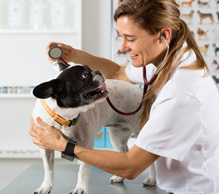
Two wellness exams every year give [PATIENT_NAME]'s doctor an opportunity to address rising senior needs and make appropriate recommendations based on present health conditions or special considerations for your dog. In addition to a thorough physical exam, our wellness testing program includes important checkups, blood tests, and other screening tests that help detect early or hidden issues in senior dogs.
Dog getting an exam.
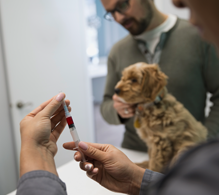
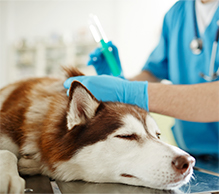
Like us, a dog's immune system can become compromised with age, so ensuring they’re up to date on vaccinations is key. It's true that some vaccines are good for several years, but other crucial vaccines like leptospirosis and canine influenza virus (CIV) need to be given annually to get the full benefit and protection they can provide.
Dog getting a vaccine shot.
Routine blood tests, urinalysis, fecal exams, screening X-rays of the chest and abdomen, and blood pressure assessment help your veterinarian detect health or systemic issues that may not have physical symptoms yet, such as inflammation or infection, diabetes, thyroid, kidney and liver disease, to name a few.
Dog getting an exam for early detection.
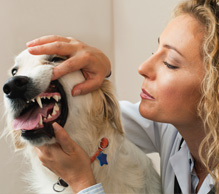
"Doggy breath" takes on new meaning with our senior friends, doesn't it? Dental issues can lead to pain, difficulty chewing, and tooth loss, ultimately affecting quality of life. Prevention is the best medicine with routine dental exams and professional dental cleanings to help reduce serious health issues and keep your dog living healthier, longer.
Dog getting dental care.
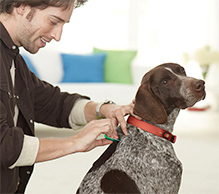
Internal parasites, fleas, and ticks can be very hard on an aging dog's digestive system, coat, and overall comfort. Giving preventive medication helps keep [PATIENT_NAME] healthier and better protected. Using our home delivery service to get [PATIENT_GENDER_PRONOUN] next dose delivered to your door also makes it very convenient for you!
Dog getting parasite protection services.
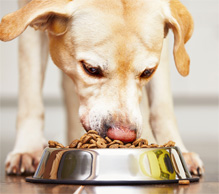
There are many great foods specially formulated to keep a senior [PATIENT_BREED] trim and healthy through the right mix of vitamins, minerals, fiber, and other important nutrients. Let us help you find the right food for [PATIENT_NAME]'s needs now, and in the future.
Dog eating healthy food.
Though [PATIENT_NAME] may be starting to slow down a bit, activity coupled with a good diet, and in some cases supplements and anti-inflammatories, can help reduce stress on aging joints. Don't forget mental stimulation is as important as physical, especially if mobility becomes limited. We can help you plan mental and physical exercise routines that make sense for the unique needs of your dog.
Dog staying active.

Spot the signs article.

Stay in the know

As [PATIENT_NAME] gets older, knowing the signs and symptoms to look for can offer the opportunity to care for an issue sooner rather than later. We've got lots of handy tips, tricks, and quick tests, such as the 1-minute mobility test and checklist of things to look for.

Try the 1-minute mobility test.

Seeing activity changes in a senior pet is normal. However, it’s important to understand if it’s simply an effect of getting older or pain in disguise. So be on the lookout using signs from this checklist.

  • Dog icon.

    Ask your dog to sit, lie down, and stand up.

  • Alternative dog icon.

    Take a moment and observe how they move around.

Keep an eye out for these signs:

  • Difficulty getting up from a down position
  • Difficulty lying down or getting comfortable
  • Limping/Lameness
  • Avoiding slippery floor surfaces
  • Lying down while eating or drinking
  • Reluctance or inability to get up on furniture or a bed
  • Reluctance to go up or down stairs
  • Reluctance to raise the head to take a treat
  • Reluctance to sit when asked
  • Reluctance to turn the head to one side or the other
  • Sitting on one hip or the other with the rear legs off to one side
If you notice your dog doing any of these things, let your doctor know so you can work together to develop a plan that keeps [PATIENT_NAME] more comfortable.
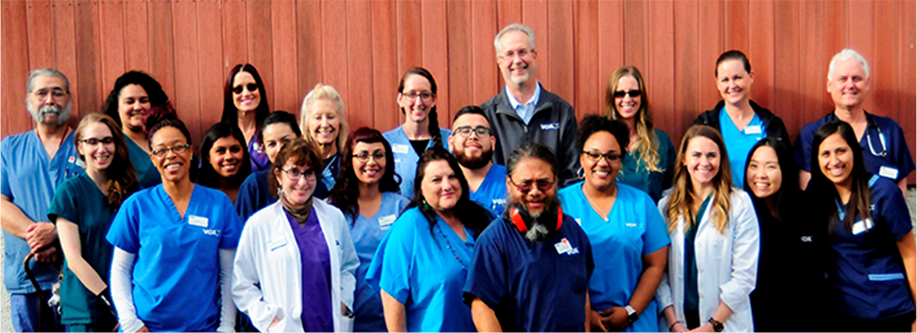
Your veterinarian's team.

Need to talk to [PATIENT_NAME]'s veterinarian?

[CLINIC_EXT_NAME]

[CLINIC_ADDRESS]
[CLINIC_CITY][CLINIC_STATE] [CLINIC_ZIP]
Book an Appointment

Watch your inbox

Don't miss the scoop!

Senior7 is a hands-on resource to help manage your senior cat’s preventive care, but there’s no substitute for your own veterinarian, so give us a call if you need to chat or book an appointment.


Watch your inbox